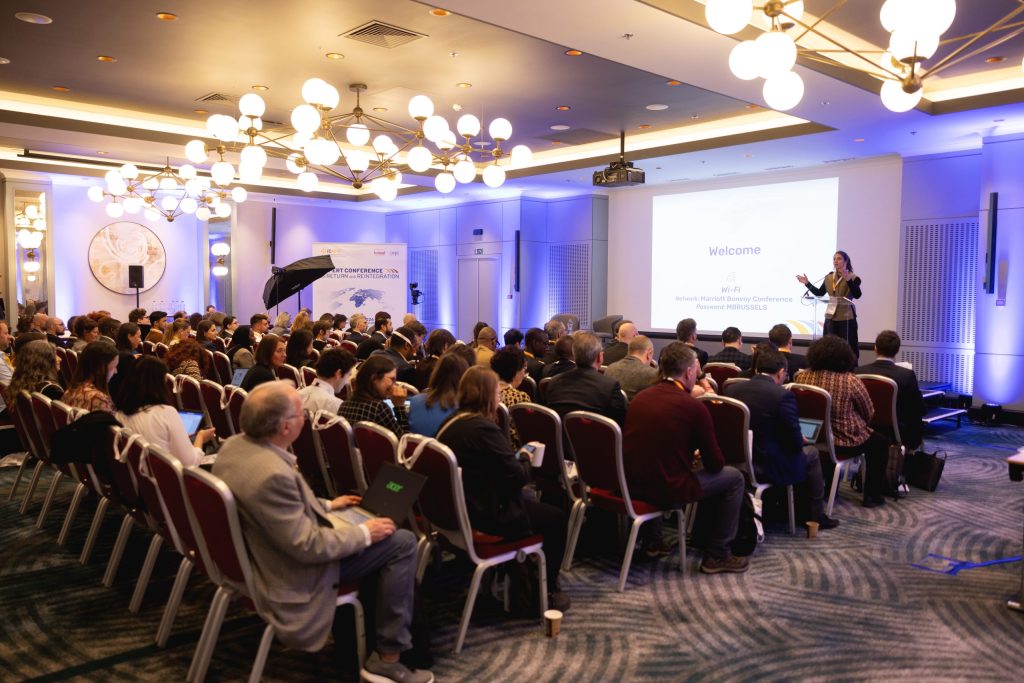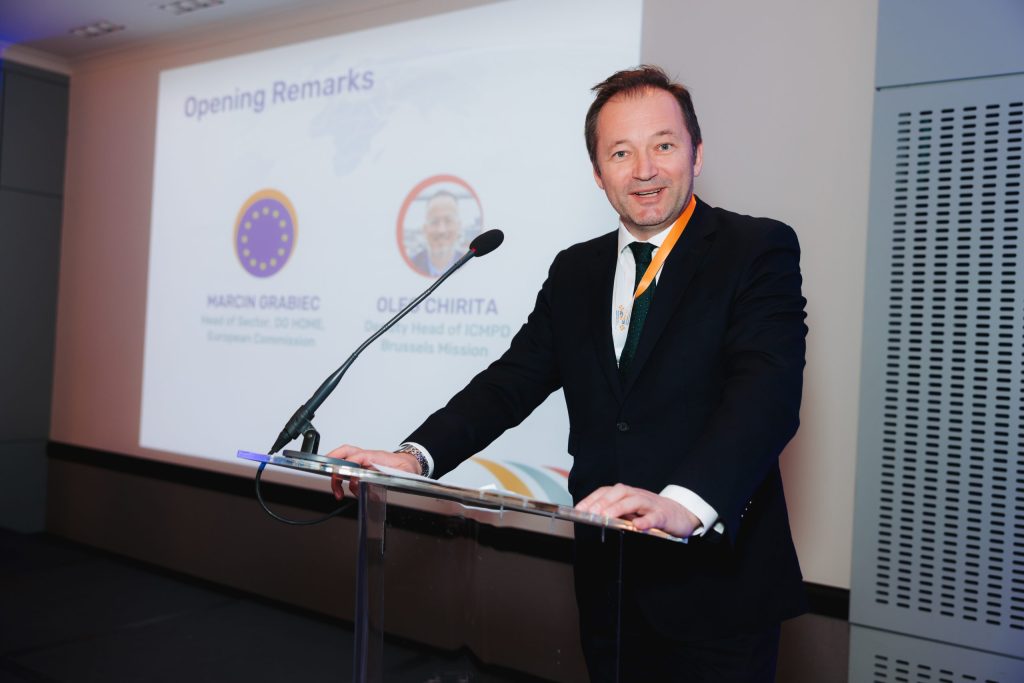

There are moments in a policy cycle when it becomes important to stop and take stock, not just of what has been achieved, but of what the work is actually revealing. The Expert Conference on Return and Reintegration, held in Brussels on 21 April 2026, was intended as one of those moments.
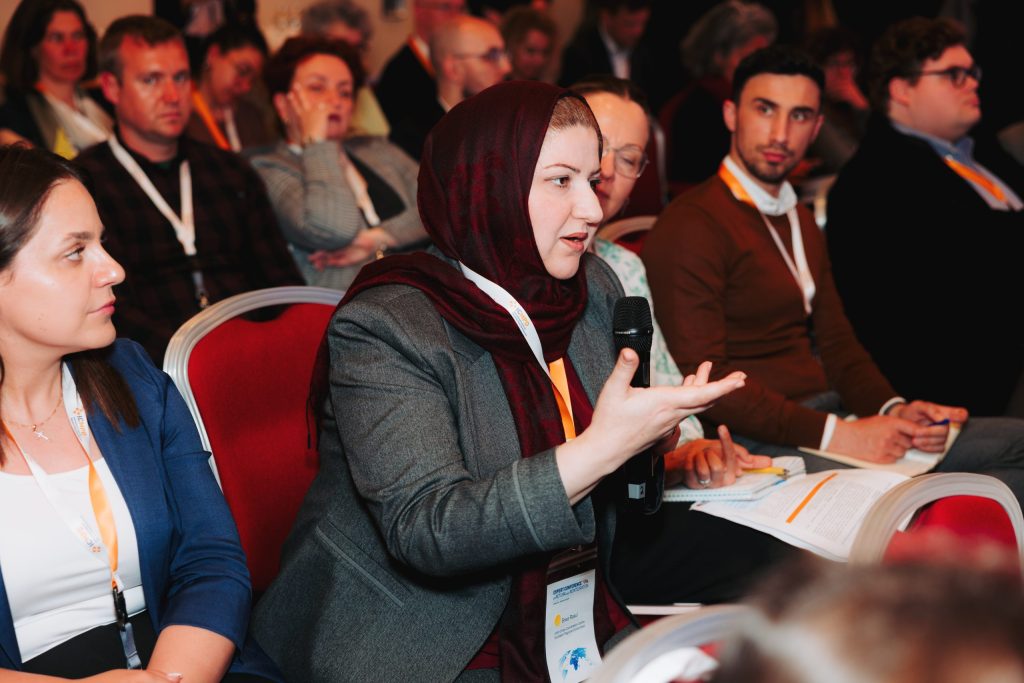
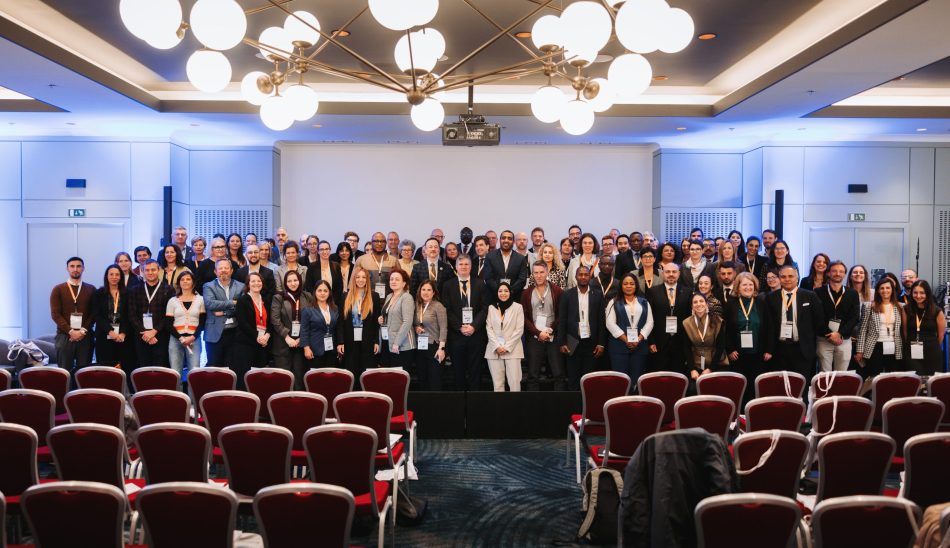
More than 110 participants joined the day: representatives from 18 EU Member States and Schengen countries, 14 partner countries, 6 civil society organisations, 6 international and development organisations, and 3 research institutions. Organised in cooperation with Fedasil and the Migration Policy Institute Europe, the Conference brought together people who work on return and reintegration to exchange, connect, and think collectively about the way forward.
A Pivotal Moment in the Policy Landscape
The Conference came at a particularly opportune moment. Implementation of the Pact on Migration and Asylum is approaching. Upcoming EU return legislation is taking shape. A digitalisation regulation is on the horizon. Each of these developments carries significant implications for how return and reintegration systems function in practice, and for the people navigating them.
Against this backdrop, the day was structured not around showcasing achievements, but around honest, practical exchange. What has the policy evolution of recent years actually produced? Where do frameworks meet reality, and where do they fall short?
What Emerged from the Room
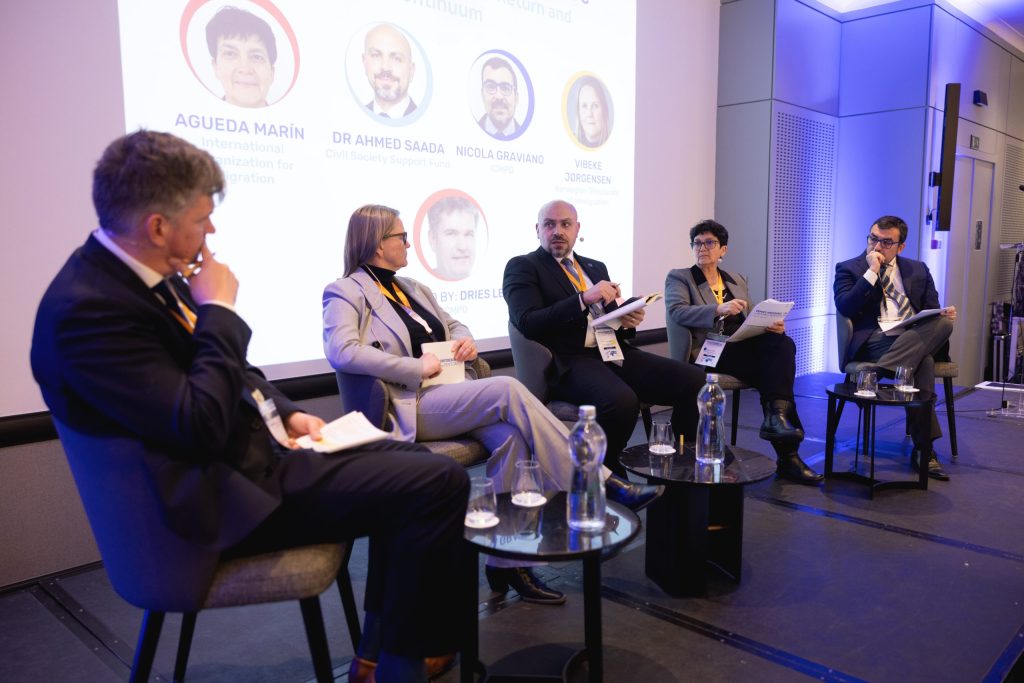
Three panel discussions set the frame for the day, each drawing on a different perspective.
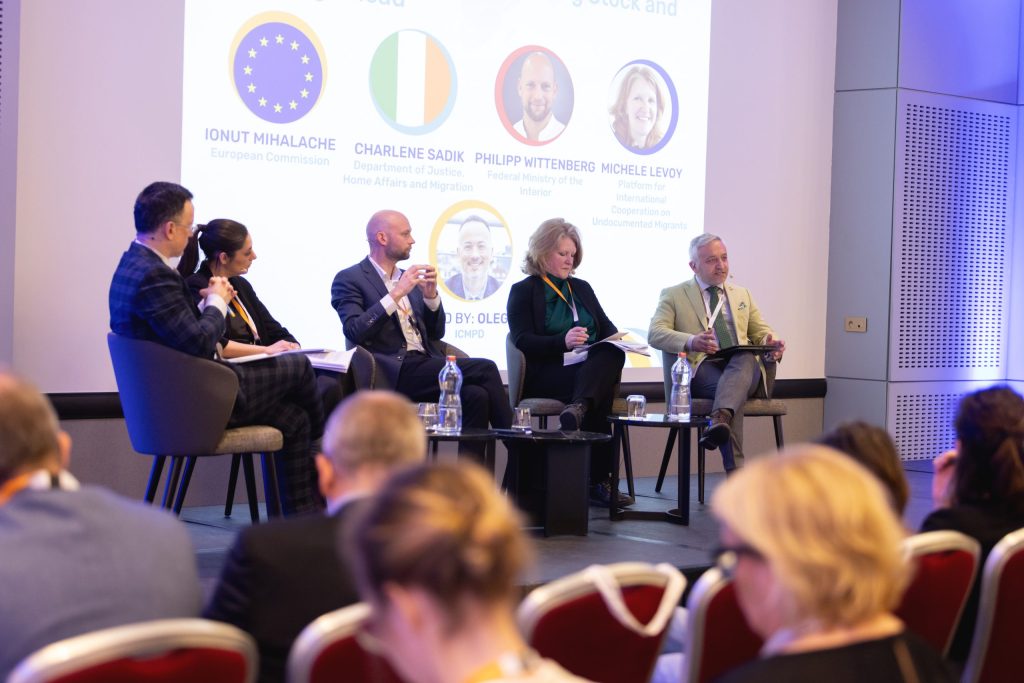
The policy panel brought together perspectives from the European Commission, Member States, and civil society to reflect on how the field has evolved. The conversation acknowledged real progress, but also a persistent gap between policy ambition and operational reality. Designing frameworks that are both normatively sound and practically workable in diverse national contexts remains a real challenge.
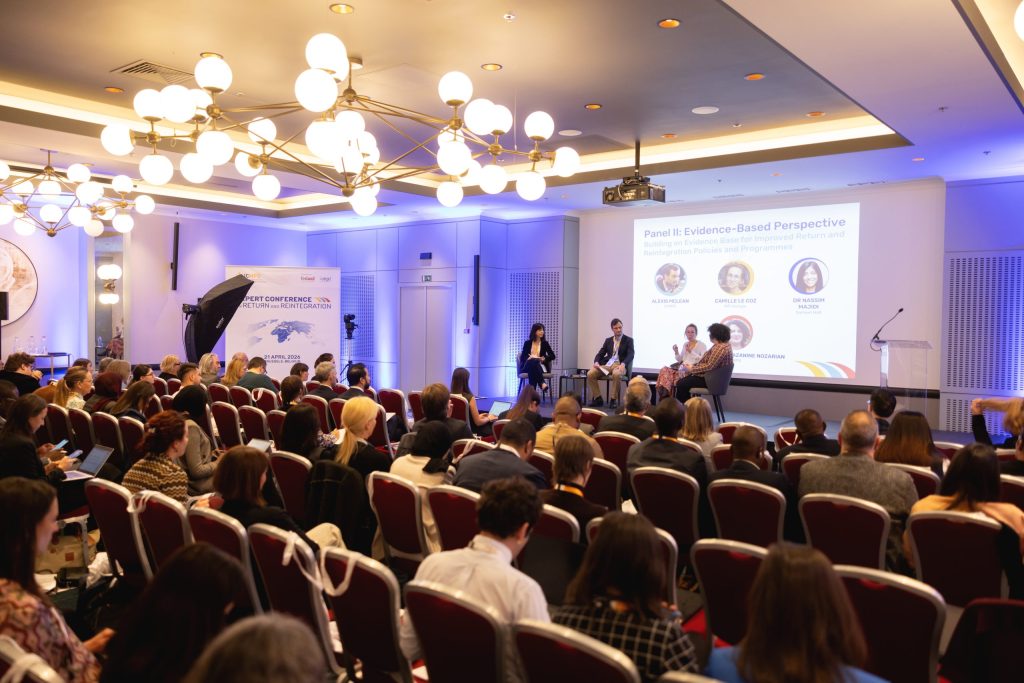
The evidence panel examined how the substantial body of research and learning developed over the past decade is, and is not, being used. Monitoring, evaluation, and operational knowledge exist. The harder question is how to make that evidence more systematically integrated into decision-making, and how to ensure approaches are sufficiently targeted and context-sensitive to reflect the lived experiences of returnees.
The operational panel focused on a tension that recurs throughout the field: the tendency to treat return and reintegration as sequential rather than continuous. Participants were honest about the coordination gaps this creates, between procedures and support, between host countries and countries of origin, between national systems and local realities. Early engagement, including pre-departure counselling, emerged as a consistent priority, alongside the importance of embedding reintegration support within existing structures rather than layering it on from outside.
Breakout sessions allowed smaller groups to go deeper: on referral systems and coordination with countries of origin; on how support can better respond to vulnerabilities; on the implications of Pact implementation for return counselling in accelerated border procedures; and on digitalisation, with the Reintegration Assistance Tool (RIAT) as a concrete case study.
What This Means for the RRF’s Work
For the RRF, the Conference was both a milestone and a prompt. It offered an opportunity to take stock of what the RRF has helped build, including the connections, the shared practices, the accumulated knowledge, and to consider where that work needs to go next.
No single conference resolves the field’s open questions. But the conversations on 21 April contributed to clarifying them, and to building synergies across the institutions and perspectives that this work brings together.
This forward-looking momentum was reflected by the European Commission itself. “RRF is expected to continue delivering innovative solutions that benefit the common European system, with a strong focus on further developing referral systems”, said Ionut Mihalache, Policy Officer at DG HOME, European Commission.
A report capturing the key takeaways will be published in the coming weeks.