
Georgia, Côte d’Ivoire, and Senegal – January 2026
Since its launch in June 2023, the Reintegration Amplification (RAMP) project, implemented in partnership with the French Office for Immigration and Integration (OFII), has played a key role in strengthening reintegration support for voluntary returnees and reinforcing national reintegration pathways in countries of return. As of March 2025, with the introduction of the referral desk model, the RRF has adapted its scope and activities, vis-a-vis an evolving reintegration landscape.
Overall, RAMP assisted more than 800 returnees, achieving strong reintegration outcomes and generating consistently positive feedback from beneficiaries.
Testing innovative approaches and establishing stakeholders’ network
Over a period of more than two and a half years, RAMP provided complementary reintegration assistance to voluntary returnees, primarily returning from France, while also strengthening national reintegration ecosystems through structured networking and coordination initiatives. The project was implemented in Georgia, Côte d’Ivoire, Senegal, and Cameroon.
RAMP also tested innovative approaches to reintegration support. Following a pilot phase, psychosocial support and mentorship were integrated into regular project activities. The psychosocial component strengthened reintegration counselling and enabled referrals to specialised support services. The mentorship component connected returnees with peers who had launched their own businesses promoting peer learning and improving economic and social reintegration outcomes.
Another innovative approach that was launched and tested was the environmental pilot. This pilot was structured in two phases: first, returnees received trainings on themes linking sustainability and business management; in the second phase, returnees were provided with necessary equipment to establish a sustainable business in the field of either agroeconomy or circular economy.
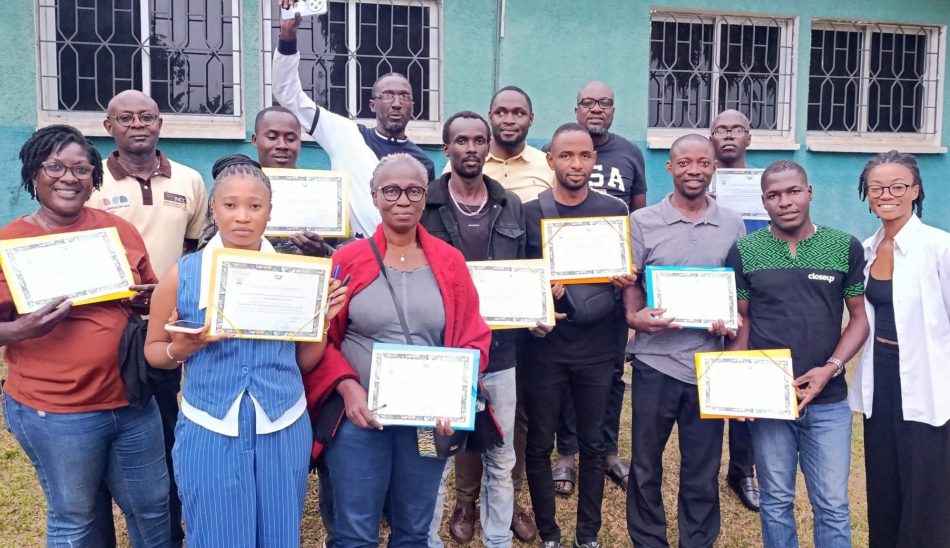
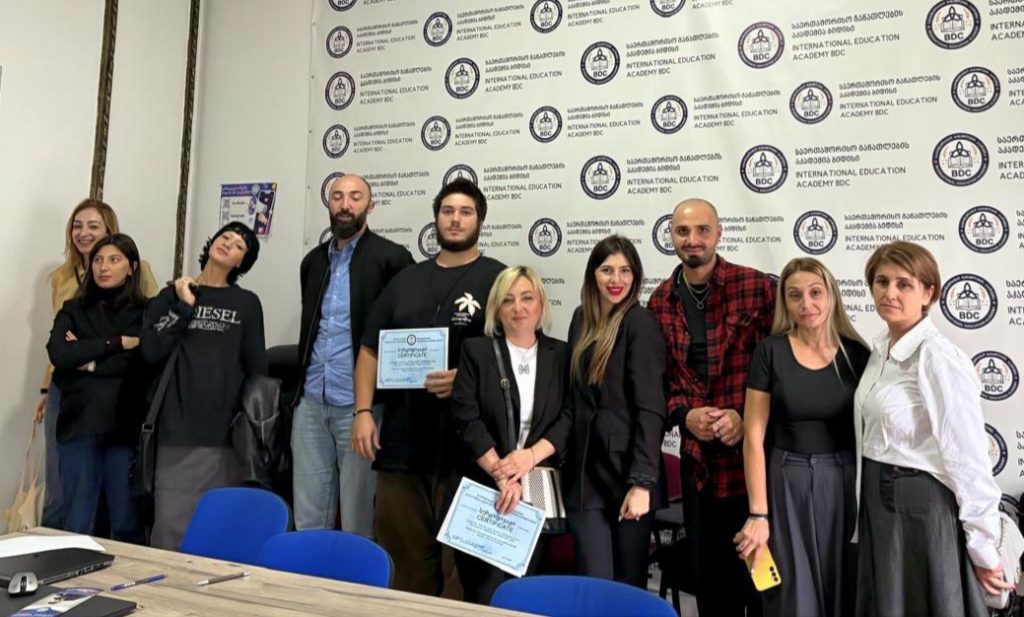
In parallel, the project provided business development support and technical training throughout its duration, equipping returnees with practical skills to create or manage income-generating activities in their countries of origin.
Other key activities included:
- a mapping exercise in each country, to identify and engage local service providers; and
- organisation of six networking events, bringing together returnees, public institutions, civil society, and international actors.
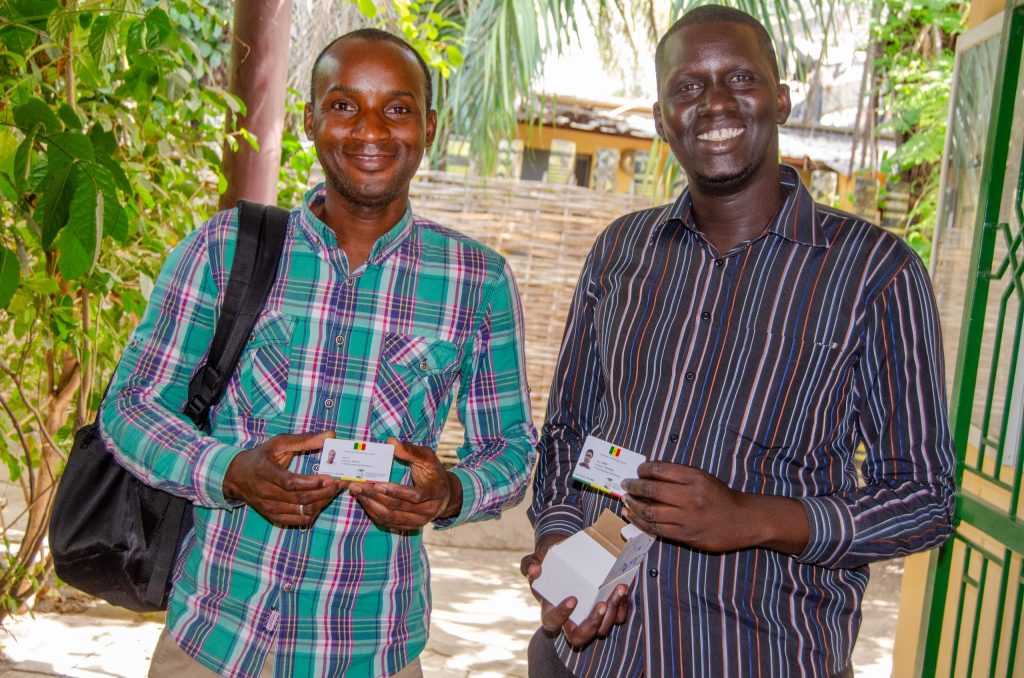
In 2025, RAMP further expanded its scope. In addition to strengthening training activities and expanding the mentorship and psychosocial efforts to reach more returnees, RAMP launched a new activity in Senegal and Côte d’Ivoire: the coverage of the national health insurance (Couverture Maladie Universelle – CMU). Through this initiative, 80 returnees received administrative support enabling them to receive their health insurance cards. As a result, these returnees will have free access to public healthcare for a period of 12 months.
Transition to OFII Referral Desk
Building on the achievements of RAMP, the OFII Referral Desk project was launched in March 2025, marking a transition towards a structured, referral-based reintegration model. The project is open to returnees from EU+ countries and facilitates access to services provided through national referral mechanisms and key reintegration actors, including BAOS, ANPEJ, AEJ, Caritas, and IOM.
Referral desks are currently hosted within OFII local offices and staffed by ICMPD experts, who welcome returnees, assess their needs through reintegration counselling, connect them with relevant service providers, and follow up to ensure effective delivery of assistance. All cases are recorded in RIAT to support coordination, monitoring, and reporting.
In Senegal and Côte d’Ivoire, referral desks currently support returnees from France, Italy, Spain, and the Netherlands. In Georgia, returnees from Belgium, Germany, and Finland are also included. To date, more than 150 returnees have already been referred to reintegration services and/or the national referral mechanism, with additional cases currently under review.
As reintegration frameworks continue to evolve, the referral desk approach is expected to play an increasingly important role in ensuring coordinated, sustainable, and returnee-centred reintegration support.