
In response to a major institutional reform undertaken by the Government of Armenia in 2024, the country’s reintegration framework has undergone a significant transformation. The establishment of the new Ministry of Internal Affairs brought about a shift in responsibilities for reintegration service delivery and coordination, which were transferred from the Armenian Migration Service (AMS) to the Unified Social Services (USS) under the Ministry of Labour and Social Affairs (MoLSA).
This transition created an immediate need to strengthen the capacities of USS staff, who had limited prior experience in return and reintegration management. To address this gap, the LOSRA project initiated and implemented a structured capacity-development programme, delivering a total of six reintegration trainings between 2024 and 2026, with a strong focus on equipping social workers and case maangers with the knowledge and practical skills required to support returnees effectively.
Building the Foundations: First Reintegration Training in 2024
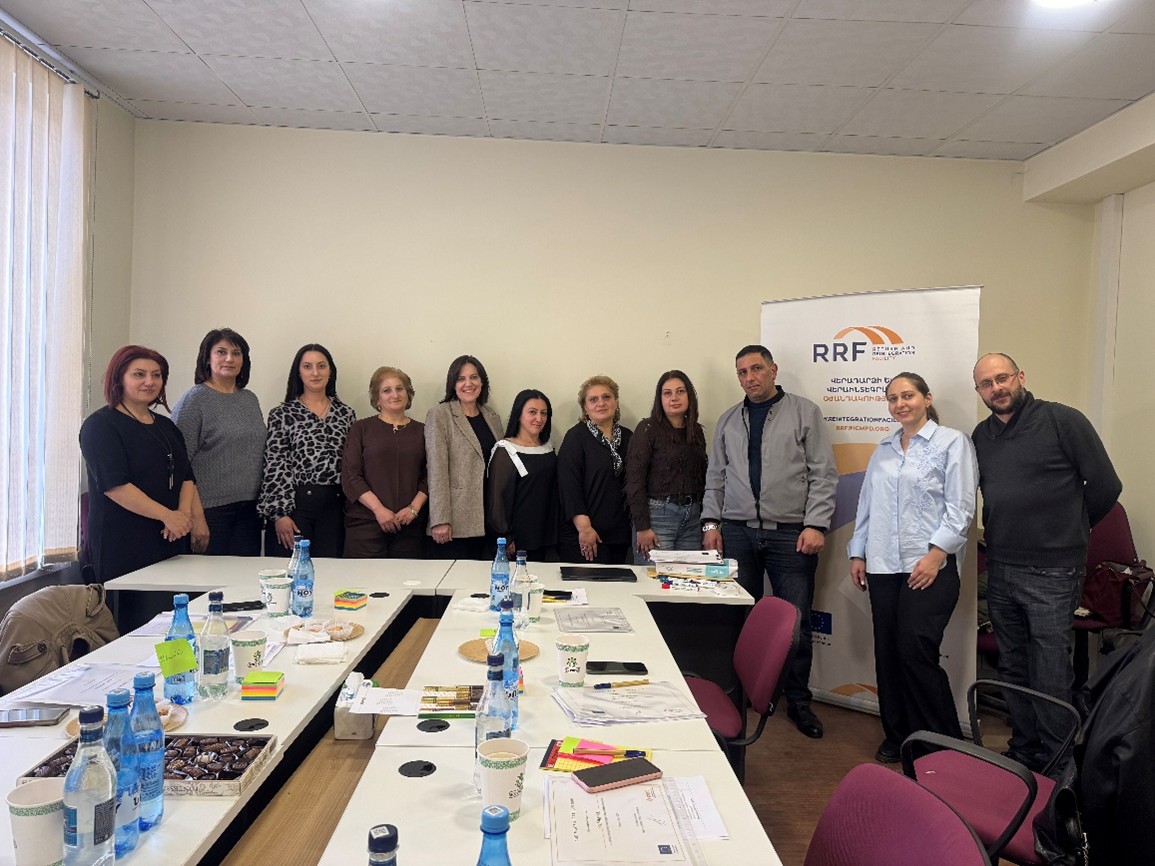
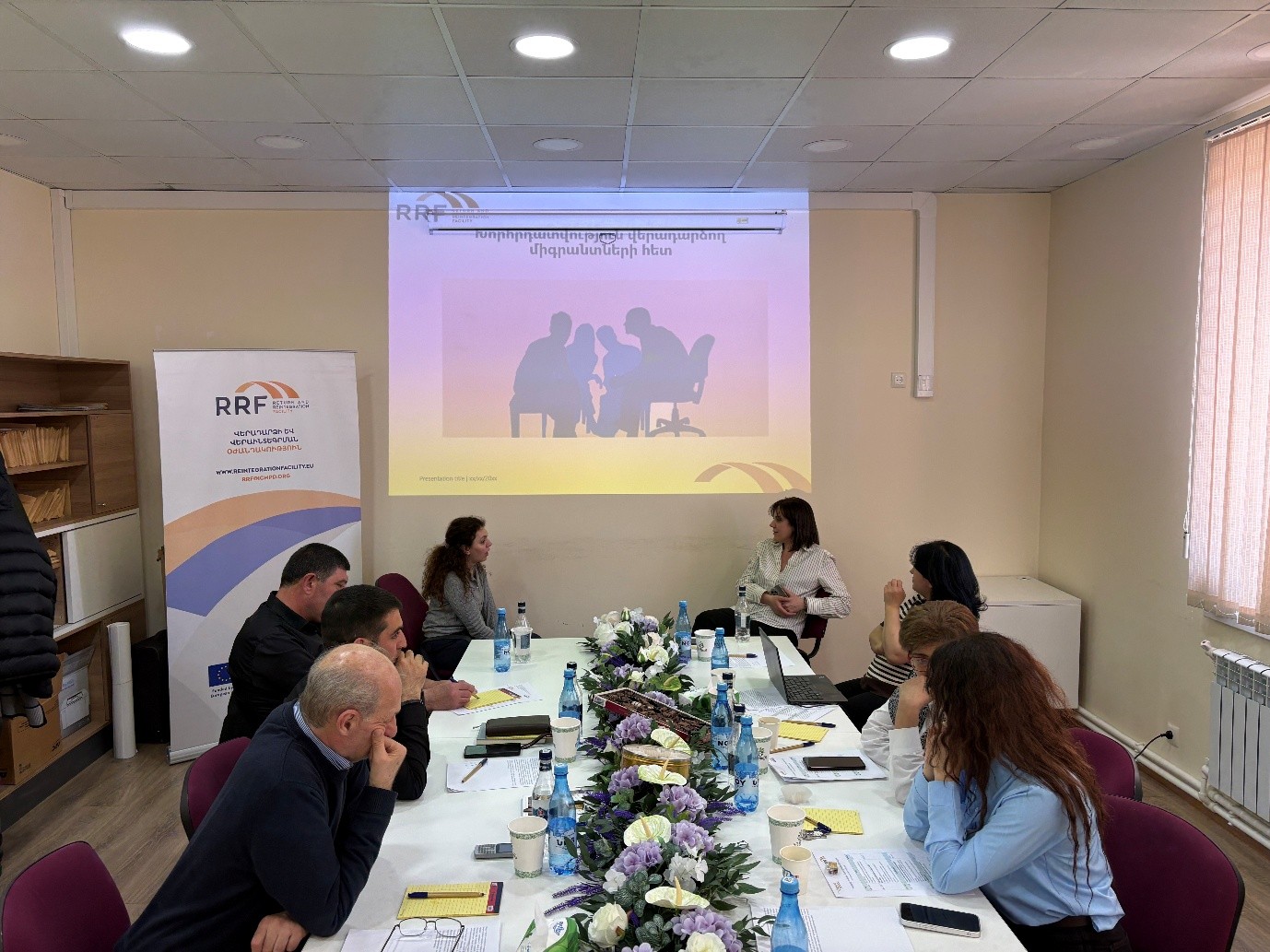
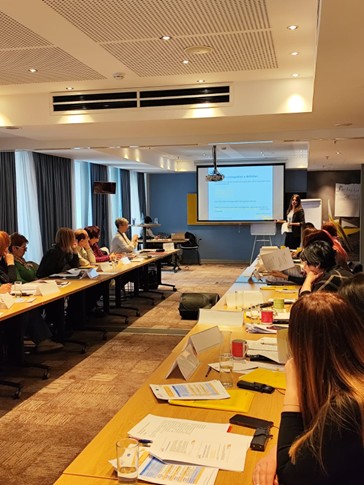
The first step in this process was a two-day introductory training on reintegration held in March 2024. This initial session laid the groundwork for strengthening institutional understanding and was designed based on a prior learning needs assessment conducted in close coordination with MoLSA. A total of 23 USS staff members participated in the training, representing all seven territorial centres in Yerevan, along with additional participants from Abovyan and Vanadzor. The inclusion of administrative staff and representatives from the National Institute of Labour and Social Research further ensured cross-institutional alignment and awareness.
The training programme combined theoretical knowledge with practical exercises and covered key topics such as:
- Migration concepts and the Armenian migration context;
- Concept of sustainable reintegration, relevant legislation, and existing reintegration support programmes;
- Counselling techniques, vulnerability screening, and development of individual reintegration plans.
This foundational training marked an important step in supporting the Government’s reform, ensuring that USS staff were better equipped to take on their new responsibilities under their enhanced mandate.
Expanding to the Regions of Armenia: Five Trainings in 2026 in 5 key USS centres
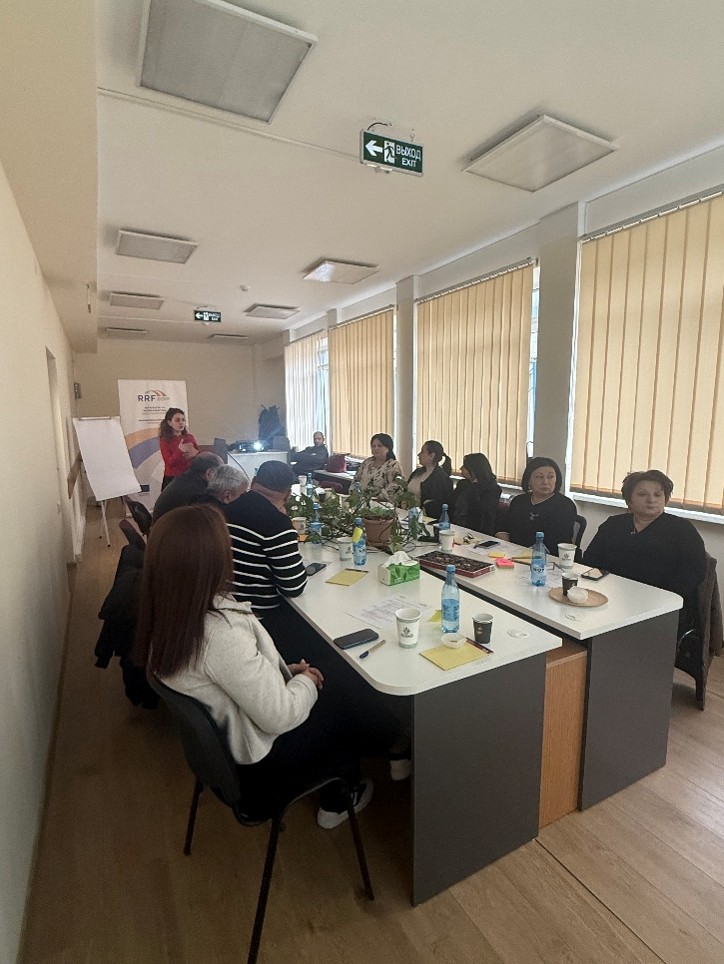
Following the success of the initial training and the clear demand for continued learning, USS requested further capacity development—this time focusing on social workers and coordinators operating outside Yerevan, particularly in more remote areas. In response, LOSRA organised in close cooperation with USS a series of five tailored training sessions between April and May 2026, significantly expanding the geographical reach and impact of the capacity development component of the project. The trainings were conducted across five regions:
- Sevan (8 April 2026)
- Akhurian (14 April 2026)
- Ashtarak (17 April 2026)
- Goris (21 April 2026)
- Dilijan (14 May 2026, final session)
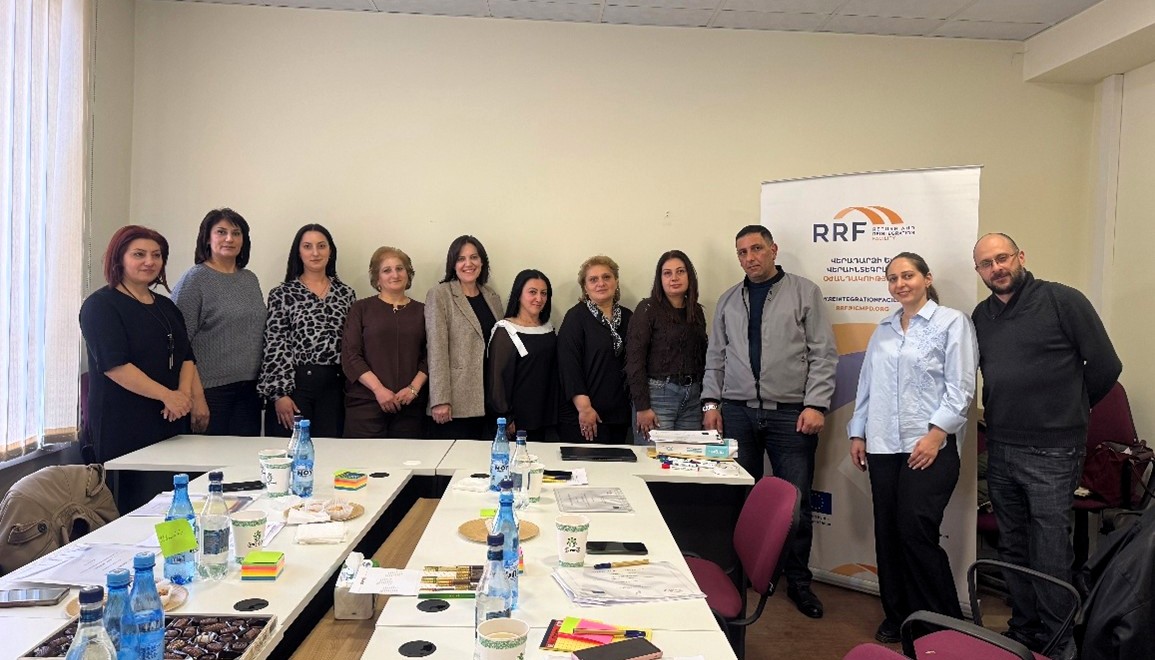
These sessions brought together approximately 47 social workers and case managers from more than 40+ communities, ensuring broad national coverage and strengthening local USS capacities across Armenia.
Strong Results and Participant Satisfaction
One of the most notable achievements of the training series was its wide geographical outreach. While the initial 2024 training was largely centralised in Yerevan, the 2026 sessions successfully extended support to multiple regions, including both urban and remote communities. This shift reflects a deliberate move towards a decentralised and harmonised approach, ensuring that all USS-relevant staff are equally trained and equipped with knowledge and skills to support reintegration processes and efficiently assist returnees.
The training format was specifically designed to balance regional coverage with interactive learning, enabling participants to engage actively, share experiences, and apply knowledge in contextually relevant ways.
The overall results of the six trainings demonstrate a high level of effectiveness, both in terms of participation and quality of delivery.
Results achieved across all sessions:
- 70+ trained professionals (23 participants in 2024 and 47 participants in 2026)
- Geographical coverage: Yerevan + 5 regions, reaching over 40 communities
Participant feedback further highlights the strong impact of the initiative:
- 60% rated the training as excellent, with no negative ratings recorded
- 72% found the training highly relevant to their daily work
- 96% rated the methodology as good or excellent
- 98% positively evaluated interaction with trainers, including 78% rating it as excellent
Qualitative feedback reinforces these findings, with participants describing the training as:
- Useful and practical
- Engaging and interactive
- Directly applicable to their work with returnees
Many participants also expressed motivation to apply newly acquired knowledge and skills in their day-to-day responsibilities.
The positive results and strong demand for further training highlight the importance of continuing capacity-building efforts in this field. Strengthening local expertise and maintaining high-quality service delivery will remain essential to ensuring that all Armenian returnees receive the support they need to reintegrate successfully into their communities.
The experience from 2024–2026 demonstrates that targeted training, when aligned with institutional priorities and delivered at scale, can generate meaningful and lasting impact.